Shopping links in this guide go to official brand pages and are not affiliate links. We do not earn a commission from them. Our disclosure
A commute is a sequence of small transitions: leaving home, finding a seat, opening a laptop, taking a call, and putting everything away again. The right headphones make those transitions easier. The wrong pair can sound perfectly pleasant yet become an awkward object you stop carrying. Start with the journey you actually make, including where the headphones live when they are not on your head. This guide offers buying criteria rather than a hands-on ranking.
Choose compact earbuds for a small daily bag, over-ear headphones when seated listening dominates, and a wired backup when forgetting to charge is your recurring problem. Prioritize fit and controls before premium audio features.
Map the moments that cause friction
Write down three points in your current routine that annoy you. Perhaps your case disappears in a tote, touch controls activate when you adjust your hair, or your headphones cannot move cleanly between a phone and work computer. Those problems give you a useful shopping brief. A longer specification sheet does not automatically solve them.
A commuter who walks, rides a train, and then joins a meeting has different needs from someone who takes a single seated bus journey. Consider how often you remove the headphones, whether you wear glasses, and whether you have room for a protective case. Treat convenience as a feature you use every day.
Choose the shape before choosing the brand
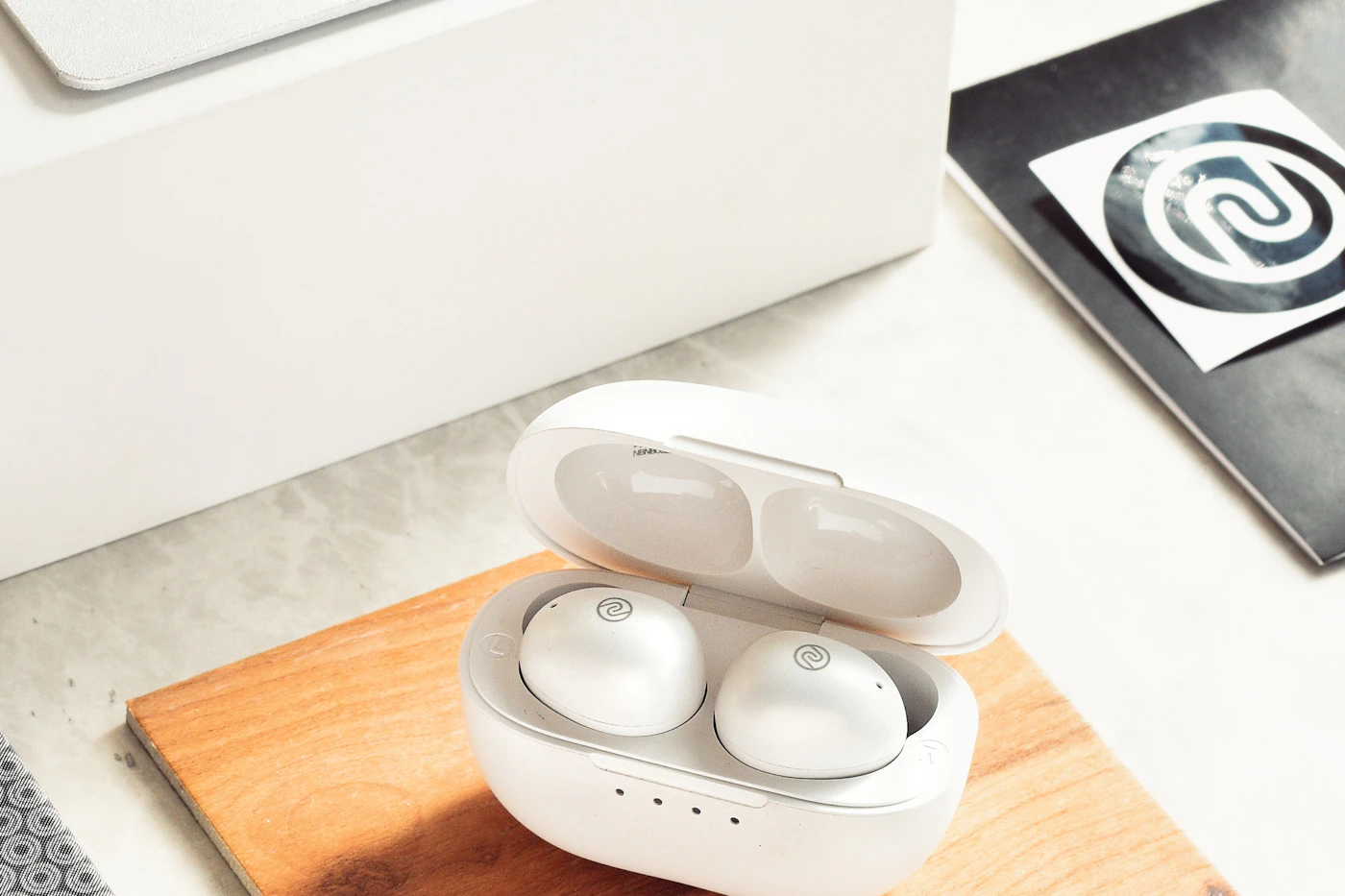
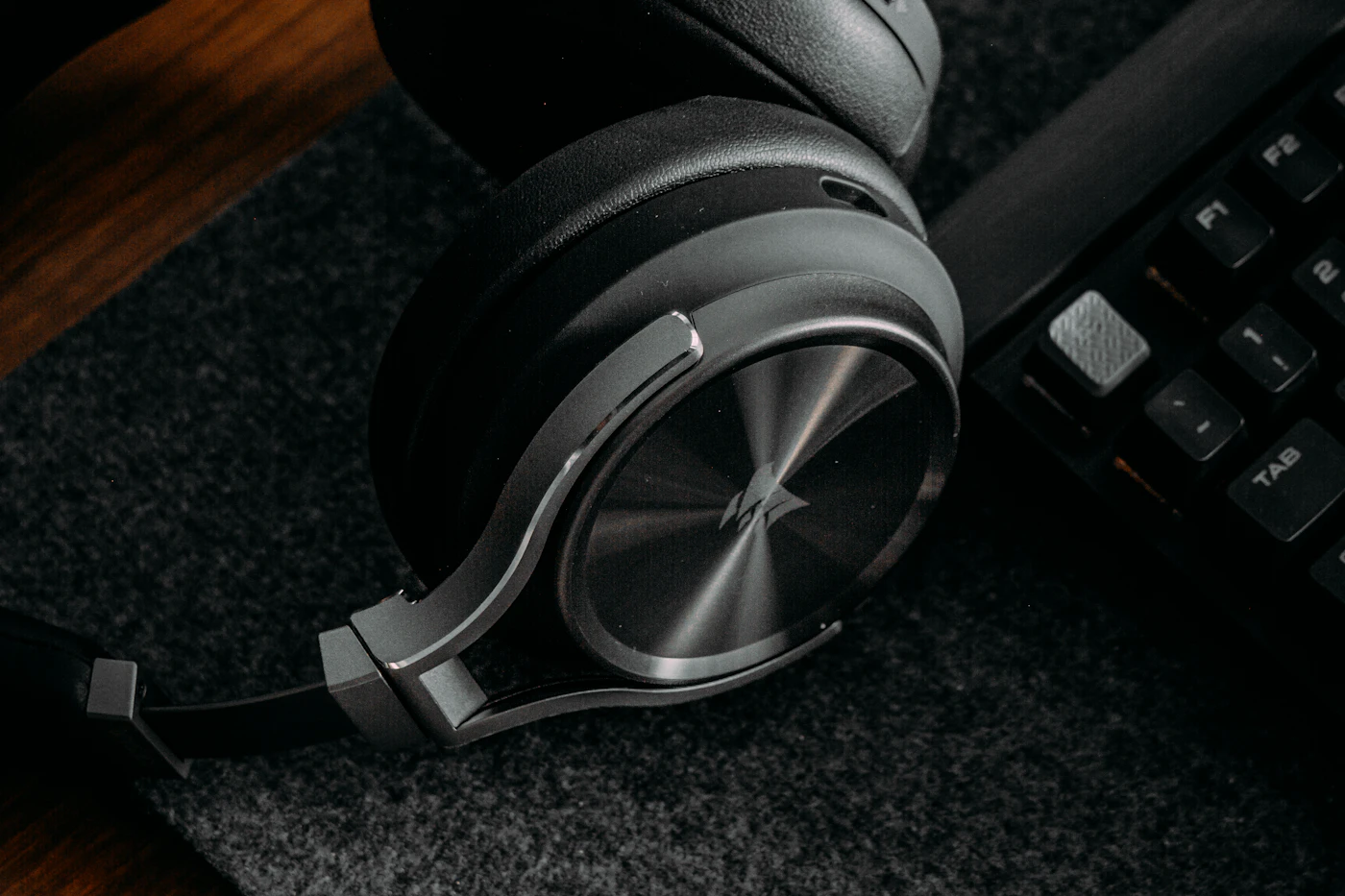
Earbuds leave more space in a bag and can be easier to store during short interruptions. Their small pieces also create more opportunities to misplace something. An over-ear pair is a larger commitment to carry, especially if its case is rigid. Measure your actual bag compartment instead of assuming a product photograph represents its travel footprint.
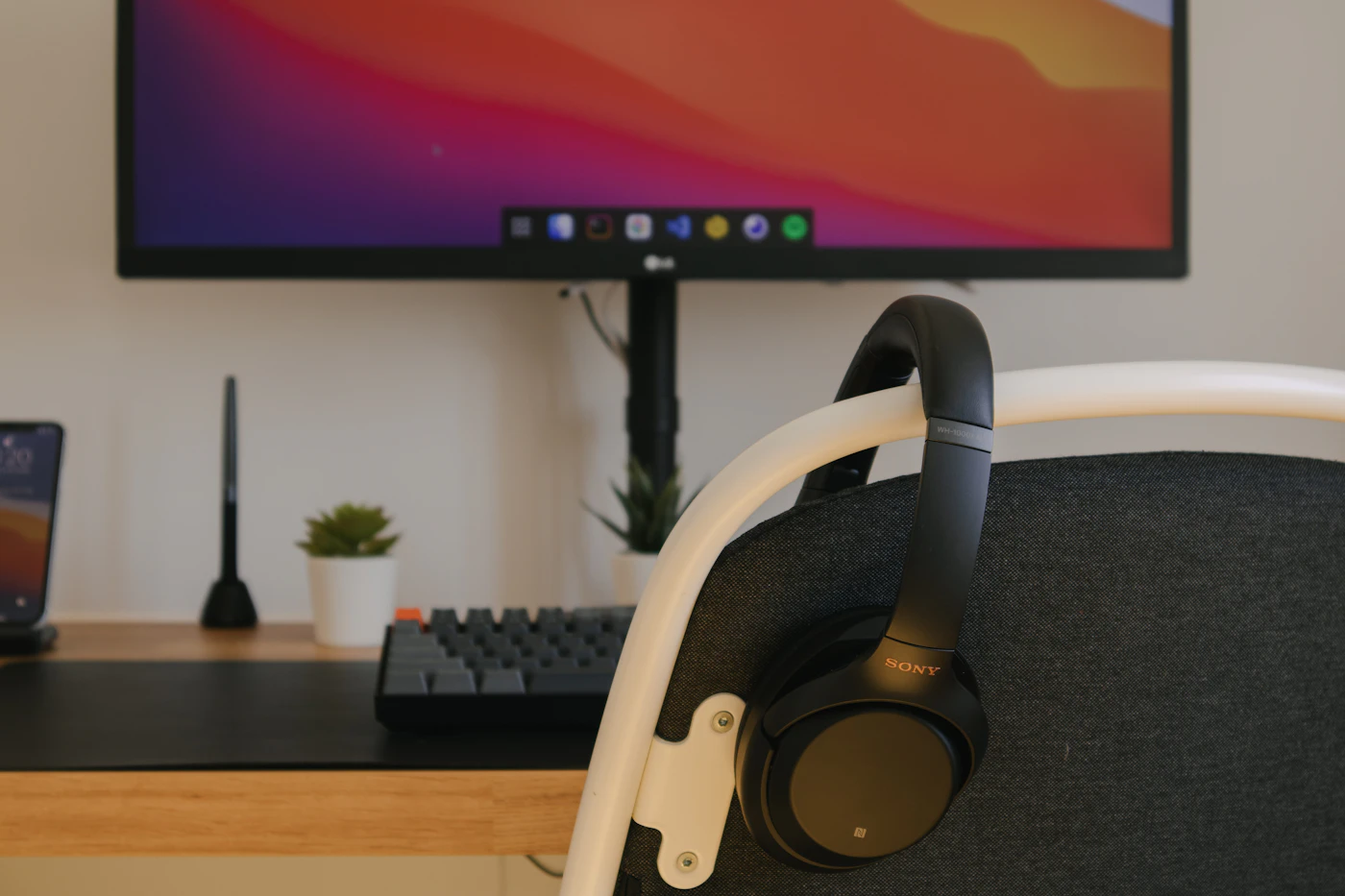
Sony’s official headphone catalog includes both earbuds and headband designs, making it a useful place to compare formats within one manufacturer. That catalog does not establish which will fit your head. Check the return conditions and examine adjustment range, removable cushions, and available ear-tip sizes before making a purchase.
Separate quiet listening from clear calling
Noise cancellation addresses what you hear; microphone processing addresses what the other person hears. Do not let a prominent cancellation badge answer both questions. If you routinely join calls while traveling, seek microphone examples recorded in environments similar to yours and pay attention to whether voices remain intelligible when background noise changes.
For a primarily music-focused commute, physical comfort and a quick way to pause may deserve more of the budget. For a call-heavy routine, reliable mute behavior and device switching could matter more. Neither scenario requires an absolute winner. It requires the feature that removes your most frequent interruption.
Think in complete days, not maximum battery claims
Make a rough schedule that includes the outbound trip, lunchtime listening, meetings, and the journey home. Then check the manufacturer’s conditions for its battery claim. A number measured with one feature disabled may not describe your intended setup. Leave practical room for days when you do not begin with a full charge.
Also consider the charging arrangement. A case that uses the same cable as your phone reduces the number of items you carry. A charging case contributes useful reserve capacity only if you remember to charge it. A simple place to leave the case at home can be more valuable than choosing the largest advertised number.
Make the final comparison concrete
Shortlist two products in the same format, then compare their packed size, controls, connection requirements, and replacement parts. Avoid paying extra for a codec or spatial effect unless your source device and listening habits give you a reason to use it. Comfort cannot be inferred from a premium finish.
During any permitted return period, run through the ordinary sequence: put them on with glasses, pause a track, answer a call, change devices, and pack them away. This is a proposed evaluation routine, not a claim that SmartGearScope performed it. Keep the pair that fits your routine with the fewest small negotiations.
A closer look at the tradeoffs
| Option | Best fit | Tradeoff |
|---|---|---|
| Compact wireless earbuds | Short trips and minimal bags | Small pieces and a separate case to manage |
| Over-ear wireless headphones | Long seated listening sessions | More bag space and headband bulk |
| Wired earphones | A simple charging-free backup | Cable routing and device-port compatibility |
Before you buy
- Measure the space available for the case.
- Confirm controls work with your usual routine.
- Check phone and computer compatibility.
- Read battery-claim conditions and return terms.
Confirm the exact model, compatibility, current price, and return policy at the official destination before ordering.
Explore headphones at Sony’s official store ↗Common questions
Should commuters always pay for noise cancellation?
No. Spend on it when unwanted background sound is a central complaint. For brief trips or frequent conversations, fit, portability, and simple controls may have greater everyday value.
Is one pair enough for work and commuting?
It can be, if device switching and calls work well with your actual equipment. A dedicated desk headset may be more practical when meetings dominate the workday.
Sources & further reading
Manufacturer documentation consulted October 10, 2026. Buying judgments are our editorial interpretation; published specifications do not establish real-world performance.
See something that needs updating? Send a correction.